Why Condo Watch Hawaii Exists
This is not a corporate project. It is a personal one. It started with one building, one family, and twenty years of documents that told a story no one wanted to hear.
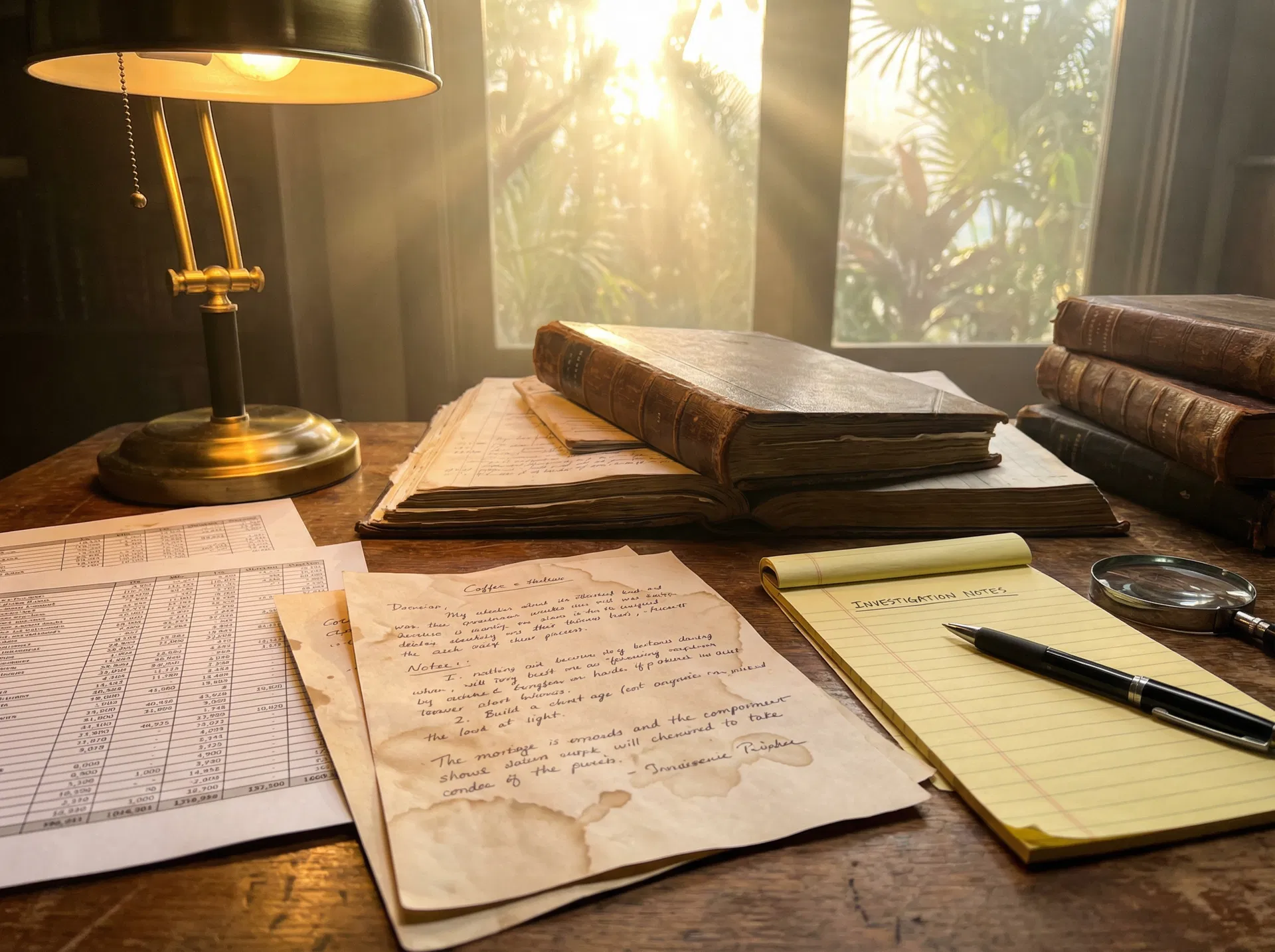
My father saved everything.
He was a board member at our Honolulu condominium for years. He believed in doing things right — attending every meeting, reading every financial statement, asking questions when the numbers didn't add up. He kept meticulous records: budgets, general ledgers, reserve studies, engineering reports, meeting minutes, letters from contractors. Decades of them, filed carefully in boxes.
When he passed, I inherited those boxes. And when I finally sat down to go through them — really go through them, document by document — what I found changed everything I thought I knew about our building.
The reserve fund, which should have been funded to at least 50% of the recommended level under Hawaii law, had been allowed to deteriorate to less than 3%. Not 30%. Not 13%. 2.7%.
The painting project that owners had been told was "planned" and "coming soon" for years? There was a professional color rendering from 2009 — proof the project had been fully designed. It was never executed. The money set aside for it had quietly disappeared into the general ledger.
The "audits" that were supposed to give owners confidence in the financials? They weren't audits at all. They were compilations — the CPA simply restated whatever numbers the managing agent provided, without verifying a single figure. Worthless as a check on anything.
The plumbing problems that owners had been complaining about for years? I found a memo from 2015 — written by my father — documenting a sewage backup and warning the board that the pipes needed immediate attention. It was ignored. The pipes are still leaking today.
This is not just our building.
As I dug deeper, I realized that what happened at our building is not unusual. The same managing agent oversees more than a dozen other Hawaii condominiums. The same patterns — underfunded reserves, deferred maintenance, financial statements that don't reconcile, owners excluded from meetings — appear across buildings, across managing agents, across the state.
Hawaii law gives condominium owners real rights. The right to see the financial records. The right to attend board meetings. The right to a properly funded reserve account. The right to an independent audit. The right to hold their managing agent accountable. And crucially — the right to have the association pay their attorney's fees if their claims are substantiated.
But most owners don't know these rights exist. And the people who benefit from that ignorance — the managing agents, the boards that defer to them without question — have every incentive to keep it that way.
Condo Watch Hawaii exists to change that.
What we believe.
This is about fairness, not revenge.
We are not here to destroy anyone's reputation or to win a fight. We are here to ensure that Hawaii condo owners get what the law already promises them: honest financial management, properly maintained buildings, and the information they need to make decisions about their homes.
Owners deserve real information.
Not summaries prepared by the managing agent. Not financial statements that haven't been independently verified. Not "everything is fine" at annual meetings while the reserve fund is being quietly depleted. Real numbers, real audits, real accountability.
The law is on your side.
HRS Chapter 514B is a remarkably strong law. The fee-shifting provision alone — which requires the association to pay your attorney's fees if your claims are substantiated — changes the economics of accountability entirely. Most owners just don't know it exists.
This must be free.
The owners who most need this resource are often the ones who can least afford to pay for it. They're already facing special assessments they didn't budget for, maintenance problems that have been ignored for years, and buildings that are worth less than they should be. We will never charge for this.
Why anonymous?
I still live in my building. My case is ongoing. Identifying myself publicly at this stage would compromise my ability to pursue accountability through the legal and regulatory channels that are most likely to produce real change.
But more importantly: this platform is not about me. It is about every Hawaii condo owner who has sat in an annual meeting wondering why the numbers don't add up, who has submitted a records request and been ignored, who has watched their building deteriorate while being told everything is fine.
When the time is right, I will tell the full story with my name attached. Until then, the documents speak for themselves.
A note to other owners
If you recognize your building in this story — if you've had the same feeling that something is wrong but couldn't put your finger on it — you are not imagining things. The tools on this site will help you find out what's actually happening.
And if you want to talk to someone who has been through it, reach out. We read every message.